Quick answer: April to October is the best window
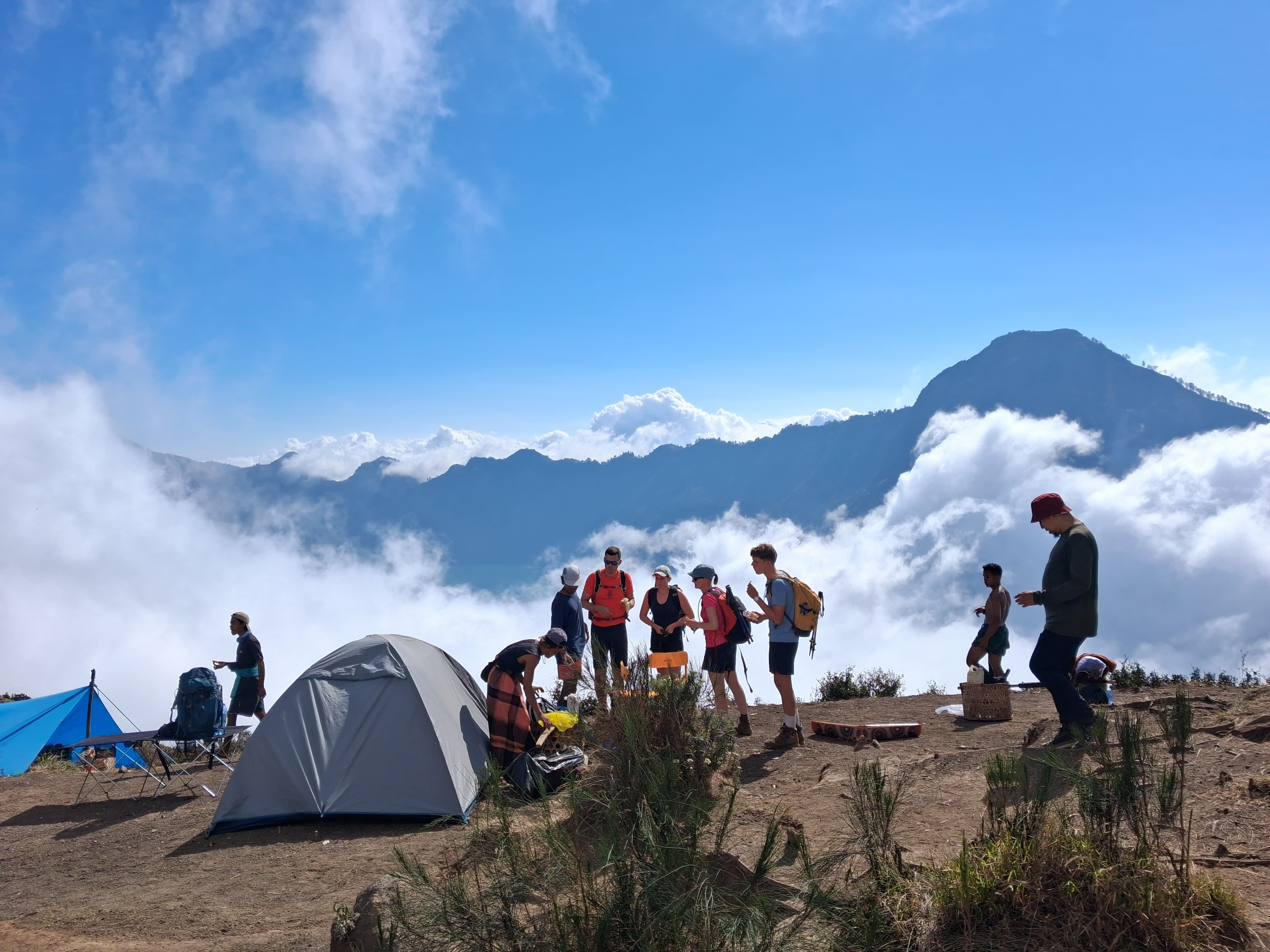
Mount Rinjani (3,726 m) has a tropical climate with a clear dry season and a wet season. For almost every trekker the dry season from about April to October is the best time to climb: trails are firmer, skies are clearer, and the summit sunrise and the view down to Segara Anak Lake are far more likely to be visible.
Best balance of weather and crowds: May, June and September. Most reliable clear skies (and busiest): July and August.
Month-by-month guide
| Month | Conditions | Crowds | Our take |
|---|---|---|---|
| Jan – Mar | Peak wet season. Heavy rain, slippery trails, frequent cloud. | Very low | The national park is usually closed to trekkers for part of this period. Not recommended. |
| April | Rains easing, trails reopening and drying out. Green, lush scenery. | Low | Good shoulder month. Expect some showers. |
| May – June | Dry and stable. Clear mornings, warm days, cool nights at camp. | Moderate | Excellent choice for most trekkers. |
| July – August | Driest and coolest nights. Best chance of clear summit sunrise. | High | Book early — popular dates fill first. |
| September – October | Dry, clear and hotter on the Sembalun savanna. Dusty trails. | Moderate | Great for fewer people and good visibility. |
| November – December | Rain returns and becomes more frequent. Weather changes quickly. | Low | Possible, but plan flexibly and follow park status. |
Weather in the mountains is never guaranteed, and conditions shift year to year. Always check the current trail status with your operator before you book flights.
Dry season vs wet season on Rinjani
Dry season (April – October)
You get stable weather, firm footing on the savanna and forest sections, and the best odds of a clear summit morning. The trade-off is more trekkers on the main routes in July and August, and dusty, loose volcanic sand on the final summit climb.
Wet season (November – March)
Rain turns the trail slippery, rivers can rise, and clouds often hide the crater lake. Park access can be restricted, especially in the wettest months. If your travel dates force you into this period, choose a flexible booking and take good travel insurance.
When is the summit sunrise best?
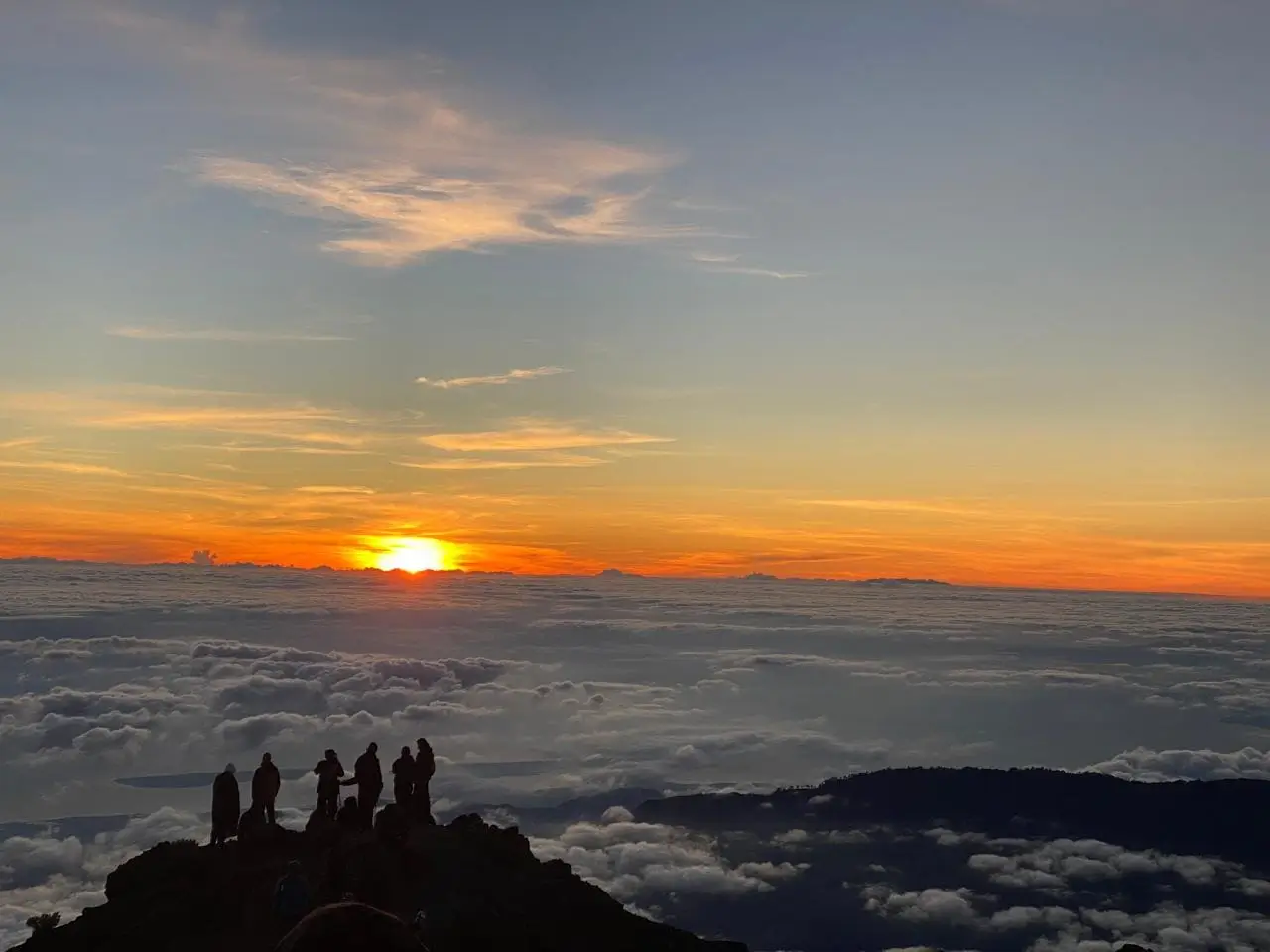
Summit day starts in the middle of the night — usually around 2 or 3 a.m. from the Sembalun crater rim — so you reach the top for sunrise. The clearest sunrises happen in the dry months, especially June to September. Even then, clouds can roll in, so treat a perfect sunrise as a bonus rather than a promise. The 2D1N Sembalun Rim & Summit and 3D2N Sembalun – Senaru treks are both built around this summit push.
Which route suits which season?
- Peak dry season (Jul – Aug): any route works. Sembalun mornings are cold and clear; Senaru’s rainforest stays pleasantly shaded.
- Hot months (Sep – Oct): the exposed Sembalun savanna can be very warm by midday, so start early and carry plenty of water.
- Shoulder months (Apr – Jun, Nov): the 2D1N Crater Rim Senaru trek skips the summit push, which makes it a good lower-risk option if the weather looks uncertain.
Tips for picking your dates
- Add buffer days. Do not schedule your trek on the day before an international flight.
- Book popular dates early. July and August departures with sharing groups (max 8 pax) fill up first.
- Check park status. Trails can close after heavy rain, earthquakes or volcanic activity. Ask us on WhatsApp for the latest.
- Bring travel insurance. It is required for all our treks and protects you if plans change.
Want to see exact prices for your dates? Check our Rinjani trekking price list.